
Hancock Weekly Arrest Log Status
The official Hancock County Sheriff's Office page offers no weekly blotter, no 72-hour list, and no historical booking search. Sparta Police publishes no daily or weekly log either. The gap is real. It is not a short archive hiding behind a one-day feed; neither type of public feed exists. Because no booking interface is posted, there is no online window, photo rule, posting schedule, or rollover destination to describe. Ignore search results borrowed from other states. A trustworthy multi-day arrest record comes from the sheriff's retained jail records, the police report where one exists, and the court file once proceedings open.
Read Hancock Arrest Records by Range
Skip the hunt for a scrolling blotter that does not exist. Work backward from a firm date range instead. A narrow request is easier for staff to fill, and it may trim search and copying costs.
- Check the sheriff’s current page for a newly published arrest-log or jail link.
- Choose the start and end dates. State whether the range refers to arrest date, jail commitment date, or both.
- Ask the sheriff’s records custodian for releasable commitment or booking records entered during that range.
- Request useful fields, such as full name, booking identifier, commitment date, charge as booked, issuing court, and discharge date.
- For Sparta Police events, separately request the incident or arrest report from its centralized records section.
- Use the court file to check later charge changes and disposition.
Need just one fresh event? The Daily Arrest Report route targets immediate custody confirmation. Range responses can take longer, especially when exemptions or redactions apply.
Hancock Arrest Log Field Guide
No online entries exist to describe here. These field definitions come from the commitment record and the local records path instead. That distinction matters when jail data is set beside police and court records.
| Field | How to interpret it |
|---|---|
| Name and identifiers | Confirm identity before connecting a record to a person. |
| Arresting agency | Points to the office that may hold the incident report. |
| Commitment or booking date | Marks jail entry and may differ from the arrest date. |
| Charge as booked | Records an charge at intake. |
| Issuing process or court | Helps route a later case search. |
| Discharge date or order | Shows a recorded jail departure, not the full case result. |
| Booking photograph | Not publicly displayed by Hancock and subject to state restrictions. |
Ask the records custodian to explain any unfamiliar label. A detainer, for instance, is another authority's request to hold or notify about a person. A disposition is the court's final resolution, and it should never be inferred from a booking charge.
Hancock Weekend Arrest Gaps
Many weekly searches aim to catch Friday-night arrests processed through Monday. Hancock County publishes no weekend cadence. It lists no holiday update rule and no sign of surge-based posting delays. Do not borrow those details from a neighboring jail. Arrest, transport, commitment, court review, and release can each land on a different day. Overlap your date range generously when timing is uncertain. Request both arrest dates and commitment dates. Do not assume every Saturday incident was booked on Saturday. The sheriff answers for jail custody. Sparta Police holds its own arrest reports. Magistrate Court handles first appearances, bonds, preliminary hearings, and warrants. The Hancock courts directory shown here sorts out the duties of Magistrate, Superior, and Probate.

That role split routes a case once the arrest and jail record exist. Each office holds one piece. Note: Court filings may lag a jail event, so a same-week absence from an online court service proves nothing.
Local Hancock Arrest News
The Sparta Ishmaelite archive is the strongest local newspaper source. It runs as a weekly, edition-based archive rather than a continuous arrest ledger. A story can surface an agency, a warrant, an alleged event, or a court development. But editors pick and choose. Most routine Hancock County bookings never make print. Regionally, 41NBC and The Georgia Sun carry event-driven Hancock stories. Georgia Bureau of Investigation releases are stronger primary sources. They cover major joint investigations. Remember that article dates are publication dates. They are not arrest or booking dates. And a news photo proves nothing about whether the sheriff posts booking photographs. The GBI press-release inventory is the official channel for selected investigations and arrests.
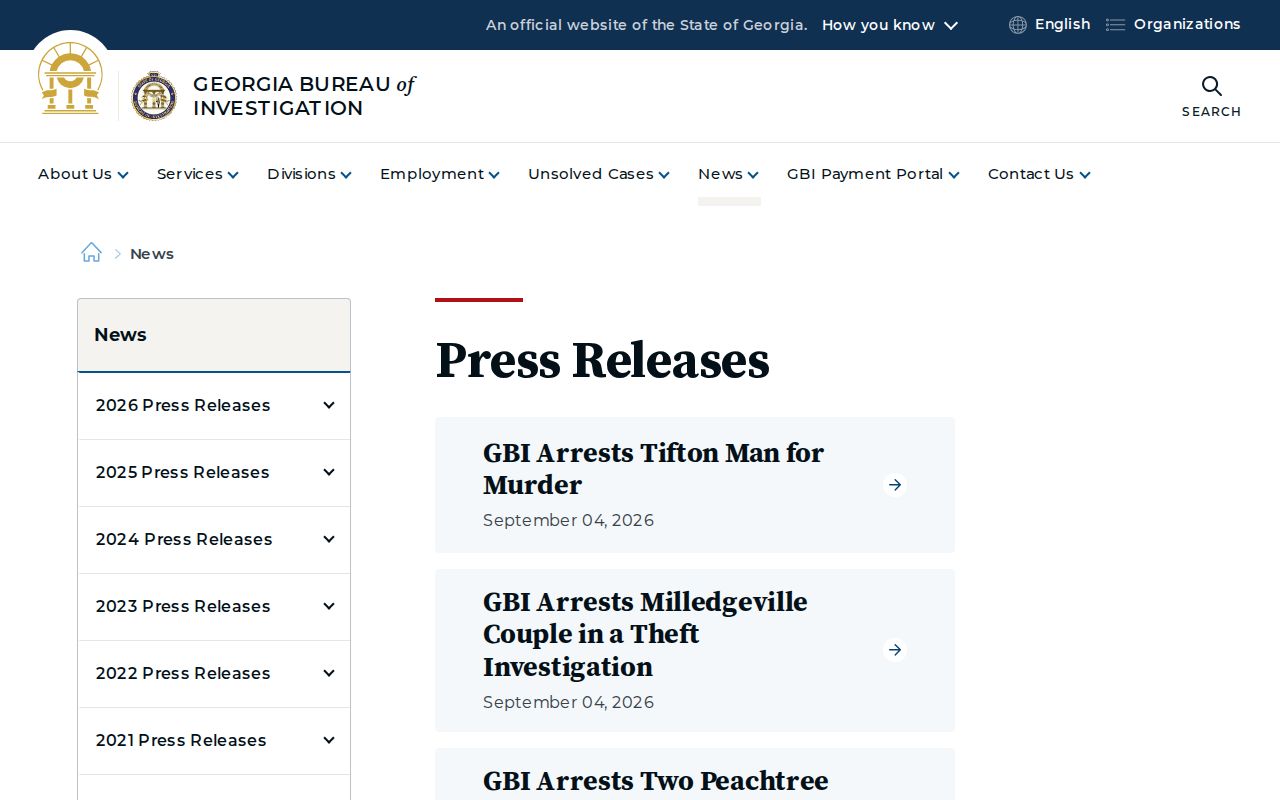
Big cases fit fine there. It falls short of a full Hancock weekly arrest log, though, and the Georgia Sun crime desk leans toward selective regional stories.

Check any news item against the agency and court that made the record.
Request Historical Hancock Arrest Logs
Georgia Archives retention schedules give older records real substance. Jail booking records are kept five years, then offered to the Archives. Jail registers last seven years before the offer. Incarceration lists are held three years. Jail inmate files stay with the sheriff for ten years after release. These are retention rules only; no series is promised online.
Start with the Hancock sheriff's records custodian. Name the series and the date range, ask whether it remains on hand, and request the transfer location if it moved. The Archives also holds a Hancock Superior Court criminal-docket collection. It covers 1912 through 1919. That is proof that very old court material travels a separate archival route. The Georgia Archives local retention schedule shown here lists each jail record series and its period.
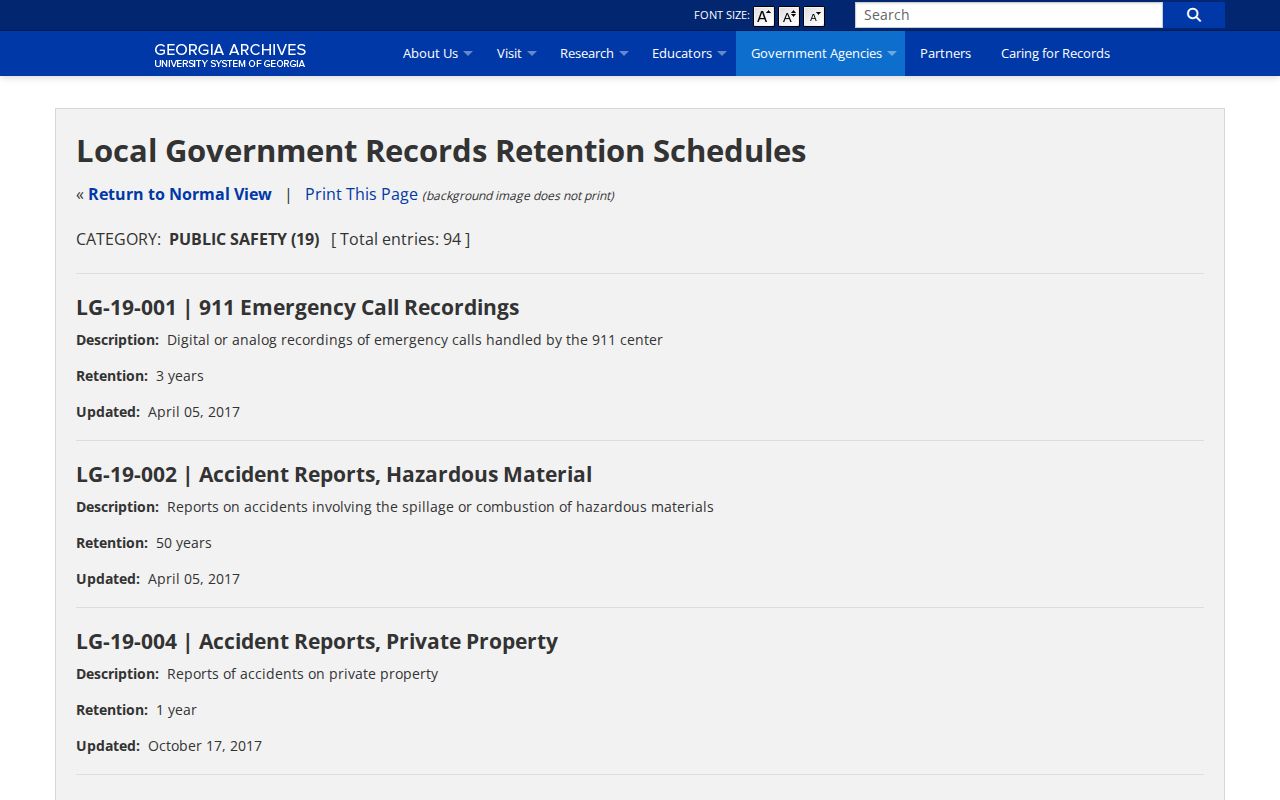
A vanished webpage is therefore not evidence that the underlying booking record was destroyed.
Verify Hancock Arrest Dispositions
Hancock County splits its court work between two benches. Superior Court takes the criminal cases; Magistrate Court handles the early steps, like first appearance, bond, and preliminary hearings. Online, Georgia Courts eAccess and PeachCourt both carry case paths. Still, a missing electronic result means little. A case can exist without showing up there.
Need something official? The Superior Court Clerk sits at 12630 Broad Street in Sparta, GA 31087, and publishes 706-444-6644. Each record tells a different story, too. A jail record shows who was booked and when, while a police report covers the agency's own account of the event. The court record, in turn, tracks what happened after the arrest, since charges can be reduced, dismissed, or resolved.
Search Public Records
Sponsored Results